Teaching & Mentorship
Developing critical thinkers and future researchers through sociology, medical anthropology, and qualitative research.
Teaching Philosophy
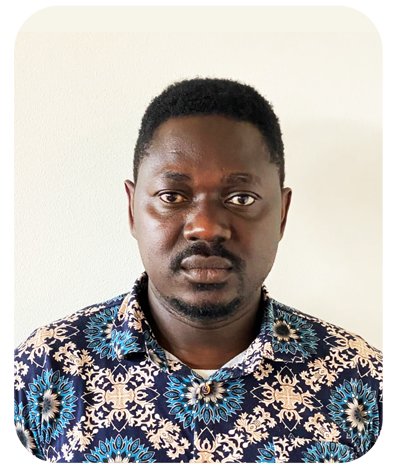
Alexander’s teaching is grounded in the belief that education should cultivate critical inquiry rather than simply transmit knowledge. He encourages students to question assumptions, engage deeply with theory, and connect research to lived realities. Through interactive learning, qualitative inquiry, and interdisciplinary perspectives, he helps learners develop the analytical skills required to address complex health and social issues.
Areas of Teaching
Sociology of Health
Exploring how social structures, power, and culture shape health, illness, and healthcare systems.
Research Methods
Training students in qualitative research design, ethnography, data collection, and analysis.
Medical Anthropology
Understanding health, disease, and care through cultural, social, and political perspectives.
Sociology & Technology
Examining how technology influences society, organisations, and human behaviour.
Social Inequality
Investigating inequality, vulnerability, and justice within communities and institutions.
Organisational Theory
Understanding organisations, governance, leadership, and institutional behaviour.
Doctoral Research Training
As a CARTA Facilitator, Alexander supports doctoral researchers through advanced research training, including:
- Research methodology
- Ontology and epistemology
- Qualitative data analysis
- Academic writing
- Research design
- Critical thinking
Teaching Philosophy
Critical Thinking
Encouraging students to question established assumptions and examine the social forces shaping health and society.
Research Excellence
Developing practical research skills through qualitative inquiry and ethnographic methods.
Interdisciplinary Learning
Bringing together sociology, anthropology, public health, and policy perspectives.
Real-World Relevance
Connecting theory with contemporary public health and societal challenges.